How Limousine Companies Can Compete with Autonomous Vehicles
- By Booking Tool
- May 11, 2026
Self-driving cars are coming. The operators who thrive won’t be the ones who ignore it — they’ll be the ones who out-service it.
The headlines are hard to ignore. Waymo is logging millions of autonomous miles. Tesla is pushing Full Self-Driving updates. Cruise, Zoox, and a dozen other companies are racing to put driverless vehicles on public roads. And the question hanging over every limousine and black car operator is the same: what does this mean for my business?
The honest answer is that autonomous vehicles will eventually reshape ground transportation — but not overnight, and not in every segment equally. The limousine industry has something that no self-driving algorithm can replicate on a short timeline: the human experience of being genuinely taken care of. The operators who understand that distinction — and build their businesses around it — will not only survive the AV era, they’ll grow through it.
“A self-driving car can move you from point A to point B. It cannot make you feel like the most important person in the vehicle.“
1. Understand What Autonomous Vehicles Actually Threaten
Before you can compete with something, you need to understand what it actually does well — and where it falls short. Autonomous vehicles are fundamentally optimized for one thing: efficient, low-cost point-to-point transportation. They will commoditize the most price-sensitive segment of the market faster than anything Uber or Lyft ever did.
The Real Threat
Budget and utilitarian rides — not luxury service
The first wave of autonomous vehicles will compete hardest in the same space as standard rideshare: short trips, price-sensitive riders, low expectations for service. If your business is built on competing on price alone, that’s where the pressure lands first.
Where AVs remain weak for the foreseeable future: complex client relationships, high-stakes travel requiring judgment, airport meet-and-greet with real-time flight tracking, multi-stop executive itineraries, events requiring discretion, and any scenario where a human is expected to anticipate needs before being asked.
In short — if you’re selling convenience, you’re vulnerable. If you’re selling experience and trust, you’re in a strong position.
2. Double Down on the Human Element
The limousine industry’s greatest competitive asset has always been its people. A great chauffeur isn’t just a driver — they’re a brand ambassador, a problem solver, and often the first or last impression a client has of an entire trip. That’s not a commodity. That’s a craft.
The operators who will win in an AV world are the ones who invest in elevating the human experience rather than cutting costs to match machine economics. That means:
Chauffeur training and professionalism — Not just defensive driving, but hospitality standards. How to greet clients by name. How to handle last-minute itinerary changes calmly. How to be present without being intrusive.
Proactive communication — Clients shouldn’t have to wonder where their car is. A chauffeur who texts when they’re 10 minutes out, monitors flight delays without being asked, and has an umbrella ready on a rainy day is delivering something no autonomous vehicle can match today.
Consistency across every touchpoint — From the first booking confirmation email to the vehicle condition to the post-trip follow-up, the experience should feel curated. Clients who feel genuinely looked after become clients for life.
Action Item
Survey your top 10 clients and ask them what your chauffeurs do that they couldn’t get anywhere else. The answers will tell you exactly where to invest in training and where you already have a defensible advantage.
3. Own the Corporate and Executive Segment
Corporate clients represent the most durable business for limousine operators in an autonomous vehicle world. Executives traveling for business have high expectations, low price sensitivity, and a genuine need for discretion, reliability, and flexibility that AVs simply cannot provide consistently.
A C-suite executive heading into a board meeting doesn’t want to explain their destination to a touchscreen. They want someone who already knows their preferences — water brand, music off, phone charging, specific pickup location — and executes without being asked.
“The higher up the org chart your client is, the more they value time, discretion, and zero friction. That’s exactly where autonomous vehicles are weakest.”
To win and keep corporate accounts, limousine operators need to behave more like account managers than transportation vendors:
Build client profiles — Track preferences, frequent destinations, travel patterns, and special requirements. Make every ride feel like you remembered everything from last time — because you did.
Offer account management — Assign a dedicated contact for corporate accounts. Someone who picks up the phone, handles last-minute changes, and owns the relationship.
Provide clean reporting — Corporate travel managers need expense documentation. Easy, automated invoicing and trip reporting isn’t a nice-to-have for business accounts — it’s a requirement.
Action Item
If you don’t have a corporate account program with formal onboarding, dedicated support, and monthly reporting — build one. It’s the highest-margin, most defensible segment in your business.
4. Expand into High-Value Niches AVs Can’t Touch
The autonomous vehicle threat is real in standardized, commoditized transportation. It’s virtually nonexistent in specialized, high-judgment, high-stakes service. These are exactly the niches limousine operators should be expanding into:
Medical and healthcare transportation — Patients going to chemotherapy, surgery, or specialist appointments need more than a ride. They need patience, assistance, and someone who understands that they may be having the worst day of their year. This requires human compassion — and it commands premium rates.
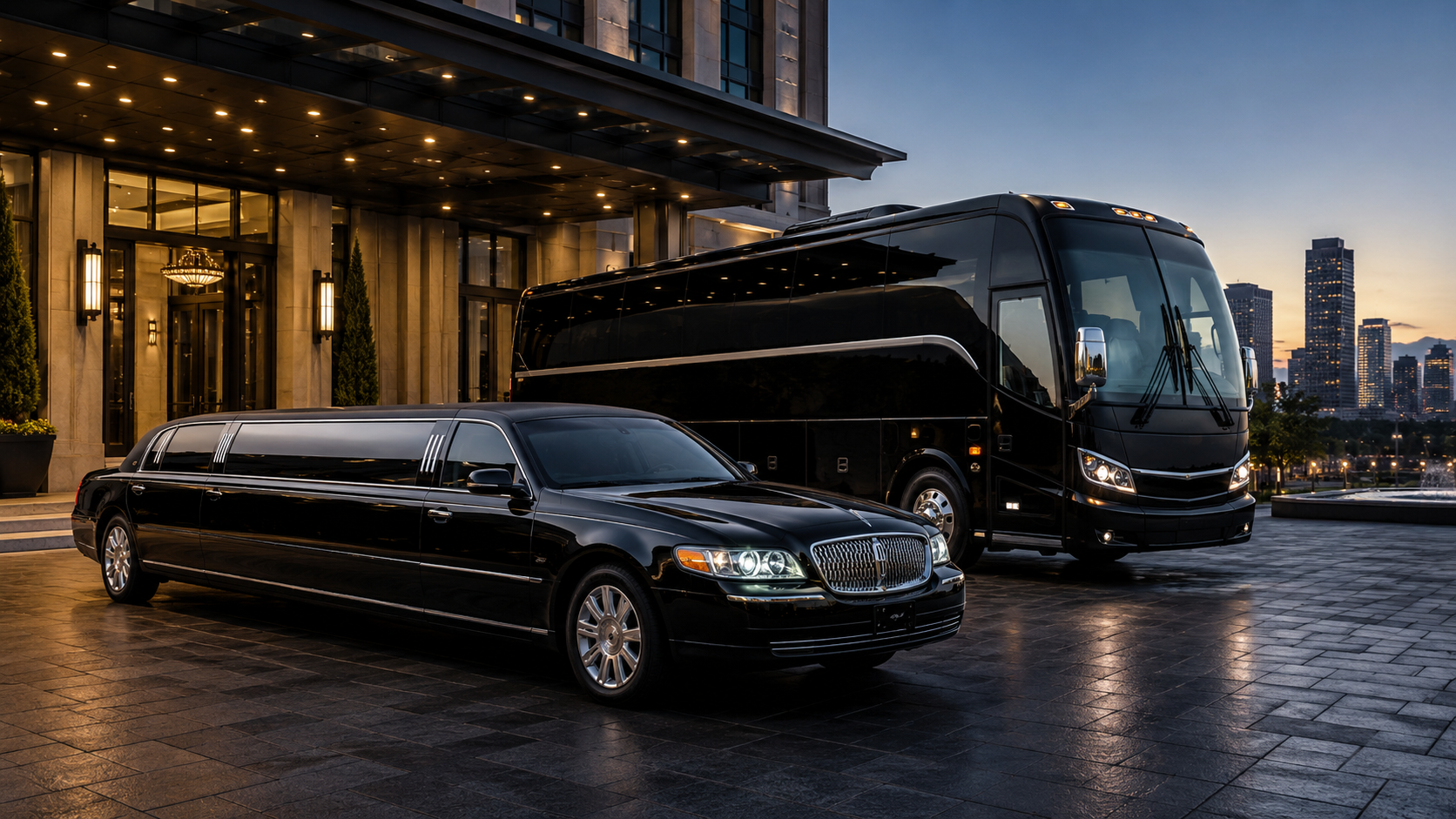
Event and wedding transportation — Coordinating 15 vehicles across a wedding weekend, managing timing with ceremony schedules, and making sure the bridal party arrives looking composed is a logistics and hospitality challenge no autonomous fleet can manage today.
VIP and celebrity security transport — Clients who require discretion, route planning for privacy, and coordination with security teams need human judgment at every step.
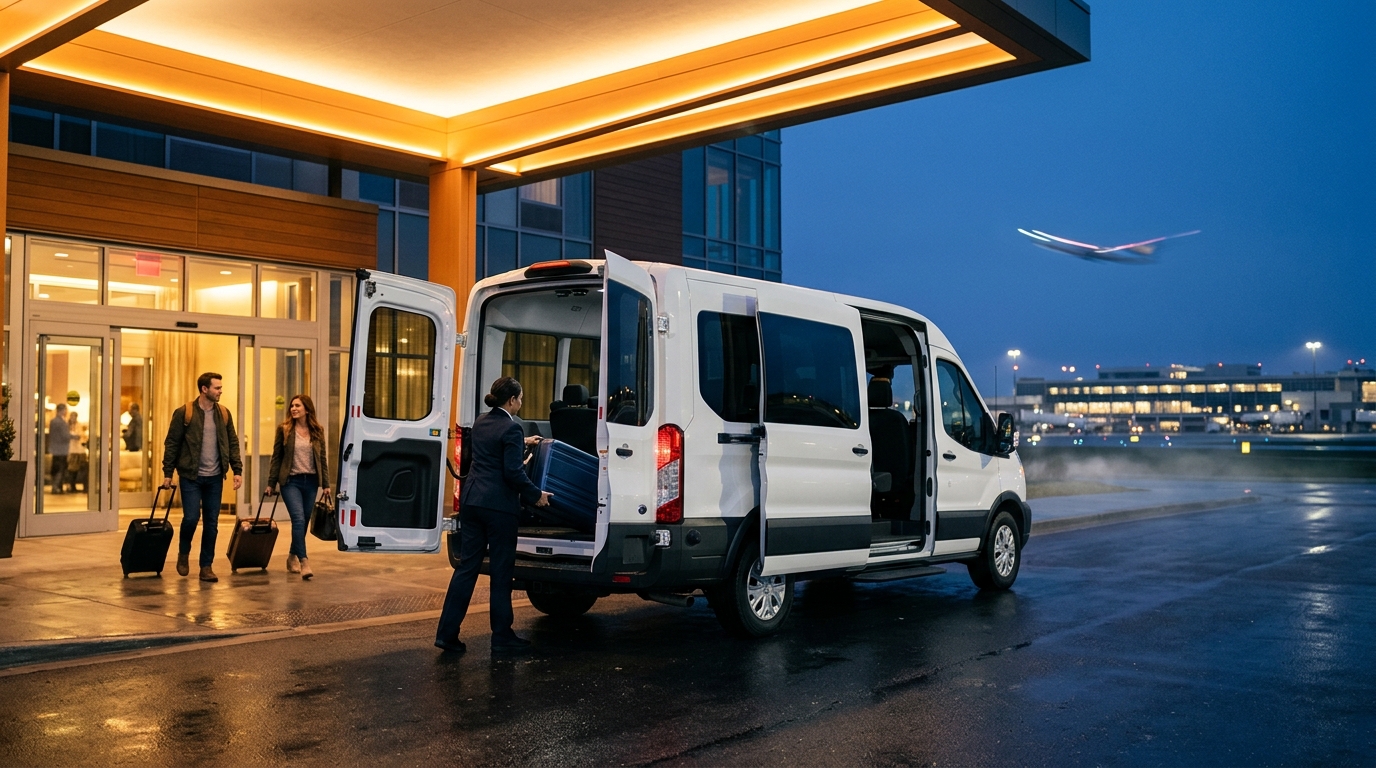
Airport meet-and-greet with real-time intelligence — A chauffeur who tracks flights, monitors terminal changes, adapts to delays, and stands at the right door with the right sign is providing a service that even the best AV dispatch system can only partially replicate.
Opportunity
The niches AV companies are ignoring
Waymo and its competitors are optimizing for scale and volume — urban rides, standard routes, high-frequency trips. The complex, relationship-driven, low-volume high-margin niches that define premium limousine service aren’t even on their roadmap.
5. Use Technology to Out-Operate, Not Just Out-Service
Here’s the counterintuitive truth: competing with autonomous vehicles doesn’t mean rejecting technology. It means using it better. AV companies will have sophisticated software on their side. Limousine operators need equally sophisticated tools to run their operations at a level that justifies premium pricing.
The operators who thrive will be the ones who combine human excellence with operational precision:
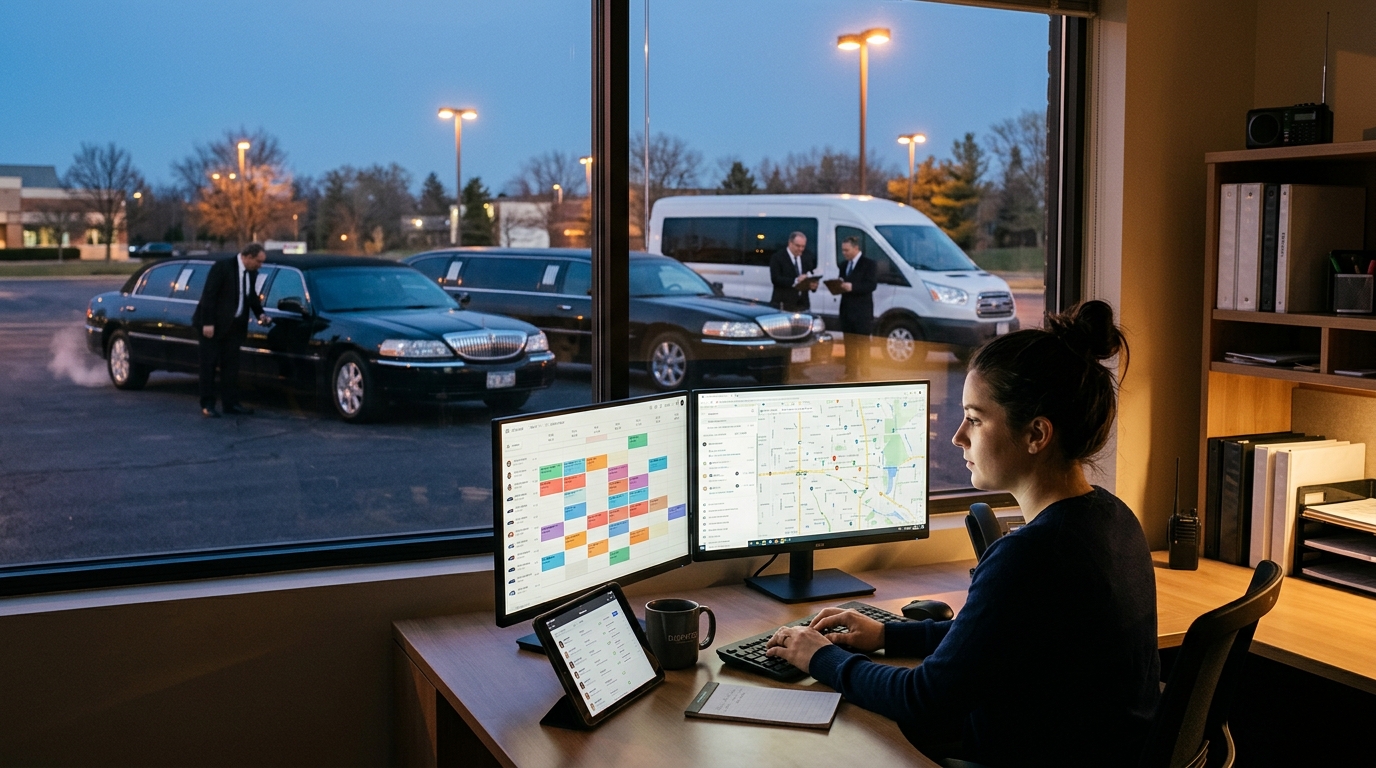
Real-time booking and dispatch — Clients expect to book instantly, get confirmations immediately, and track their vehicle in real time. If your booking process involves back-and-forth emails and a phone call to confirm, you’re already losing deals to competitors who have modernized.
Automated client communication — Booking confirmations, chauffeur assignments, vehicle details, and post-trip receipts should all be automatic. Your team’s time should go toward service, not administrative follow-up.
Driver management and performance tracking — Knowing which chauffeurs have the highest client satisfaction scores, on-time rates, and return booking rates lets you build the right team and reward the right behaviors.
Clean financial reporting — Knowing your true cost per trip, your margin by client type, and your revenue trends by service line is what separates operators who grow intentionally from those who stay busy and wonder why profitability is flat.
Action Item
Audit your current software stack. If you’re managing bookings in a spreadsheet, dispatching by text message, or sending invoices manually — that operational gap is costing you clients and margin every day.
6. Position Your Brand Around Trust, Not Transportation
The final and perhaps most important shift limousine operators need to make is a marketing one. In an era when anyone can summon a self-driving car for $12, the limousine industry can no longer sell itself as simply a nicer way to get around. It has to sell trust, discretion, reliability, and the peace of mind that comes from knowing a real professional is handling the details.
That repositioning starts with how you talk about your business — on your website, in sales conversations, and in every client interaction. You’re not a transportation company. You’re a hospitality company that happens to use vehicles.
“When a client books with you, they’re not buying a ride. They’re buying the certainty that everything will go exactly right — and that if it doesn’t, a real person will fix it.”
Autonomous vehicles will eventually be reliable, comfortable, and cheap. They will never be accountable in the way a professional chauffeur service is accountable. They will never build the kind of trust that comes from a decade of flawless service to the same client. They will never send a handwritten note when a regular client has surgery or congratulate them when their daughter gets into college.
That’s your moat. Invest in it.
The Bottom Line
Autonomous vehicles are not the end of the limousine industry. They are a forcing function — a market shift that will eliminate the operators who compete on price and convenience alone, and reward the ones who have built genuine relationships, delivered consistent excellence, and positioned their brand around something a machine cannot replicate.
The operators who will look back on this era as their best growth period are the ones acting now: investing in their people, tightening their operations, deepening their corporate relationships, and making sure their software infrastructure is as professional as their chauffeurs.
BookingTool.com is built for exactly that kind of operator — limousine and black car companies that want to deliver a premium experience backed by modern, reliable software. From real-time booking and dispatch to client management and automated communications, we give your team the tools to focus on what autonomous vehicles can’t do.
Request a free demo and see how operators like yours are using BookingTool to run a tighter, more profitable operation today.