Tesla Flying Roadster: What It Means for Limo Operators
- By Booking Tool
- October 16, 2026
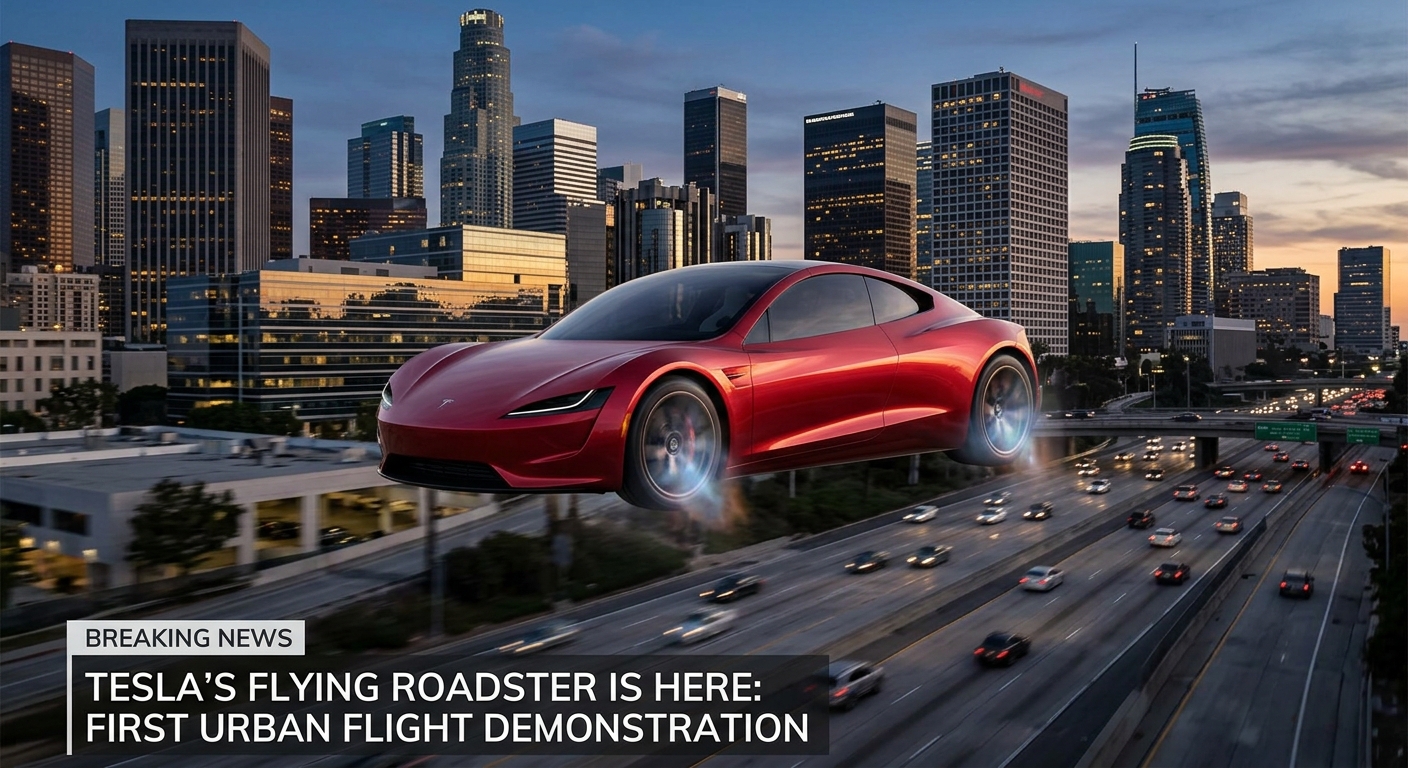
On Thursday night, Tesla finally showed the world the next-generation Roadster, nearly nine years after first teasing it. The event, held at SpaceX’s test site in McGregor, Texas, was originally set for October 1 and pushed back two weeks because of weather. The wait produced one of the most talked-about car demos in years: a low, wedge-shaped electric sports car that drove up a curved ramp, launched into the air, spun using compressed-air thrusters, and cleared a row of parked Teslas before landing on the pavement. Nobody was inside.
Search interest has exploded, and “flying car” is the phrase driving it. If you run a limousine, shuttle, or charter company, it is fair to ask whether any of this touches your business. Short answer: not yet, but there are real lessons here.
What Tesla Actually Showed
The headline is dramatic, so it helps to separate the demo from the product.
- Three versions. Tesla announced Performance, Thrust, and Rocket variants. The Performance model is the road-going two-seater, with a quoted 0 to 60 mph time under 1.6 seconds. Thrust adds rear-mounted cold-gas thrusters for even quicker launches. Rocket is a single-seat version with thrusters around the perimeter, and it is the only one designed to leave the ground.
- Speed. In the demo, the car reportedly reached 60 mph in under one second, with Tesla claiming a top speed above 230 mph.
- Technology. The thrusters come from SpaceX and run on compressed air rather than fuel. Tesla’s engineers said the system uses ten thrusters and roughly 600 liters of compressed air.
- Range. Reports put the production range at over 300 miles, well below the 620 miles promised back in 2017.
- Price and timing. Tesla gave no price. Elon Musk said production would begin in 2028. Reservations are open at $50,000 for the base car and $250,000 for the thruster-equipped version.
What It Is Not
Despite the headlines, this is not a flying car you will be able to book, buy, or park at your airport staging lot anytime soon. The flying demonstration was done without a driver, the road legality of the thruster versions has not been confirmed, and the car has missed every delivery target since its original 2020 promise. Even Tesla’s most optimistic timeline is two years away. Some analysts have called the event an impressive engineering showpiece rather than a commercial product.
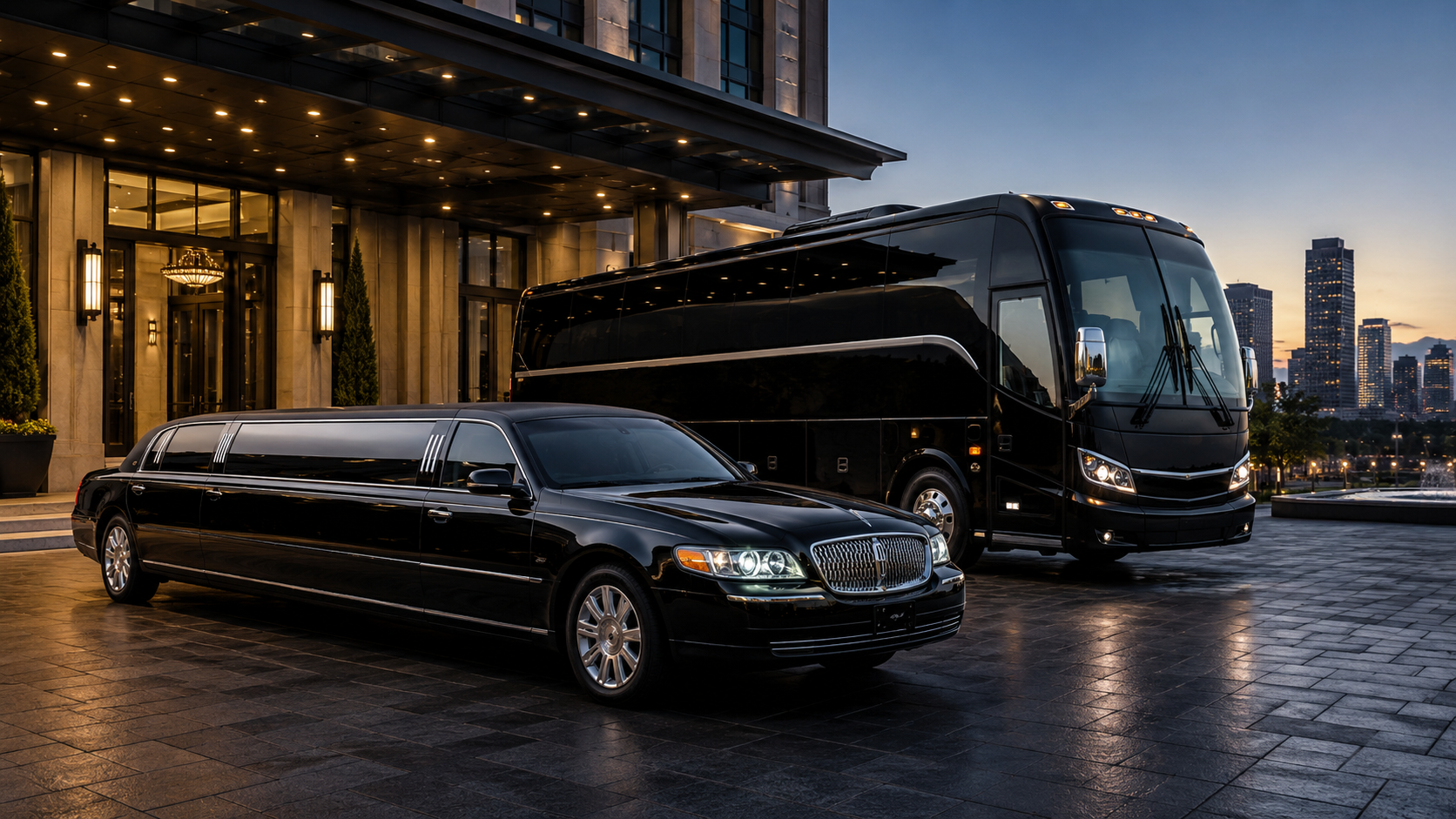
It is also a two-seat sports car. It was never going to be a chauffeur vehicle, and it will not replace an Escalade, a Sprinter, or an S-Class in any professional fleet.
What Limo and Shuttle Operators Should Take From It
1. Spectacle drives demand for experiences. Millions of people just watched a car do something they had never seen. That kind of excitement spills over into premium experiences: event transportation, special occasions, and “wow factor” bookings. Operators who lean into memorable service, whether a well-presented executive sedan or a themed party bus, are selling the same feeling on a smaller scale.
2. Ride the search traffic, but stay grounded. When a topic trends, content about it gets seen. Writing about industry news and connecting it to your own services is a smart, low-cost way to reach new customers. Just keep your claims accurate, which is more credible than hype.
3. The real changes are electrification and autonomy. Flying cars grab attention, but the shifts reshaping ground transportation are electric vehicles, driver assistance, and self-driving technology. Those are the trends worth planning around. If you have not yet, read our guide on how limousine companies can compete with autonomous vehicles.
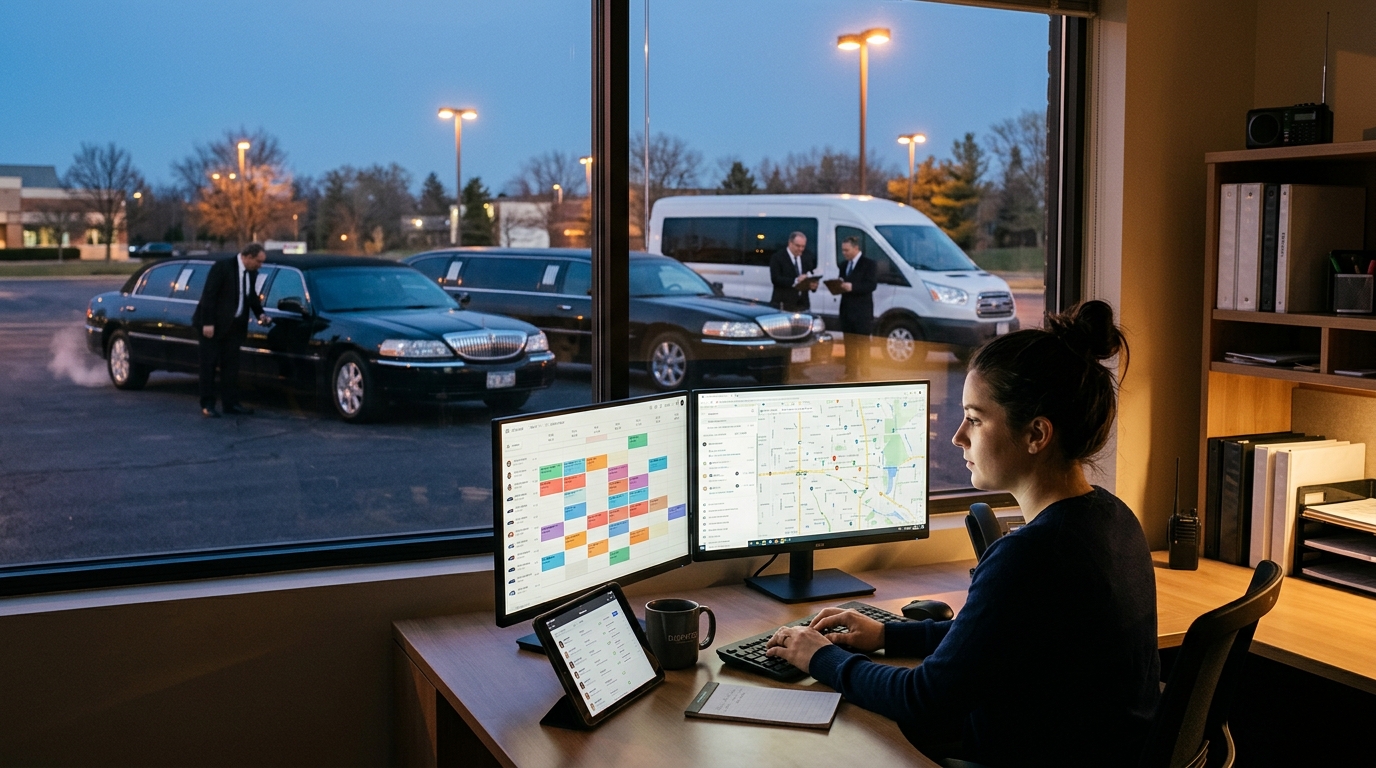
4. Your tools matter more than the headlines. Whatever vehicles arrive in the next decade, your business still runs on accurate quotes, smooth dispatch, and a booking experience customers trust. The operators who adapt fastest are the ones whose software lets them add new vehicle types, services, and pricing without rebuilding their process.
The Takeaway
Tesla’s Roadster is a spectacular piece of engineering and a masterclass in generating buzz. For limo and shuttle operators, it is a reminder that customers respond to experiences that feel special, and that technology is moving quickly around us. It is not a reason to change your fleet plans today.
What you can control right now is how efficiently you book, dispatch, and serve the customers in front of you. Booking Tool is limo software built for limo, shuttle, and charter bus operators, with the calendar, dispatch, and pricing tools to run your business as it grows. See how it works or book a demo.