The Future of Fleet Management: Why Digital Integration is Non-Negotiable
- By Booking Tool
- March 26, 2026
The transportation industry is currently moving through a massive digital shift. Whether you are managing a corporate campus, a private school fleet, or a regional transit line, the days of relying on paper logs and frantic phone calls are behind us. To stay competitive and efficient in 2026, operators are turning to specialized tools like shuttle booking software and bus management software to streamline their entire workflow.
Efficiency on Autopilot: Shuttle Booking Software
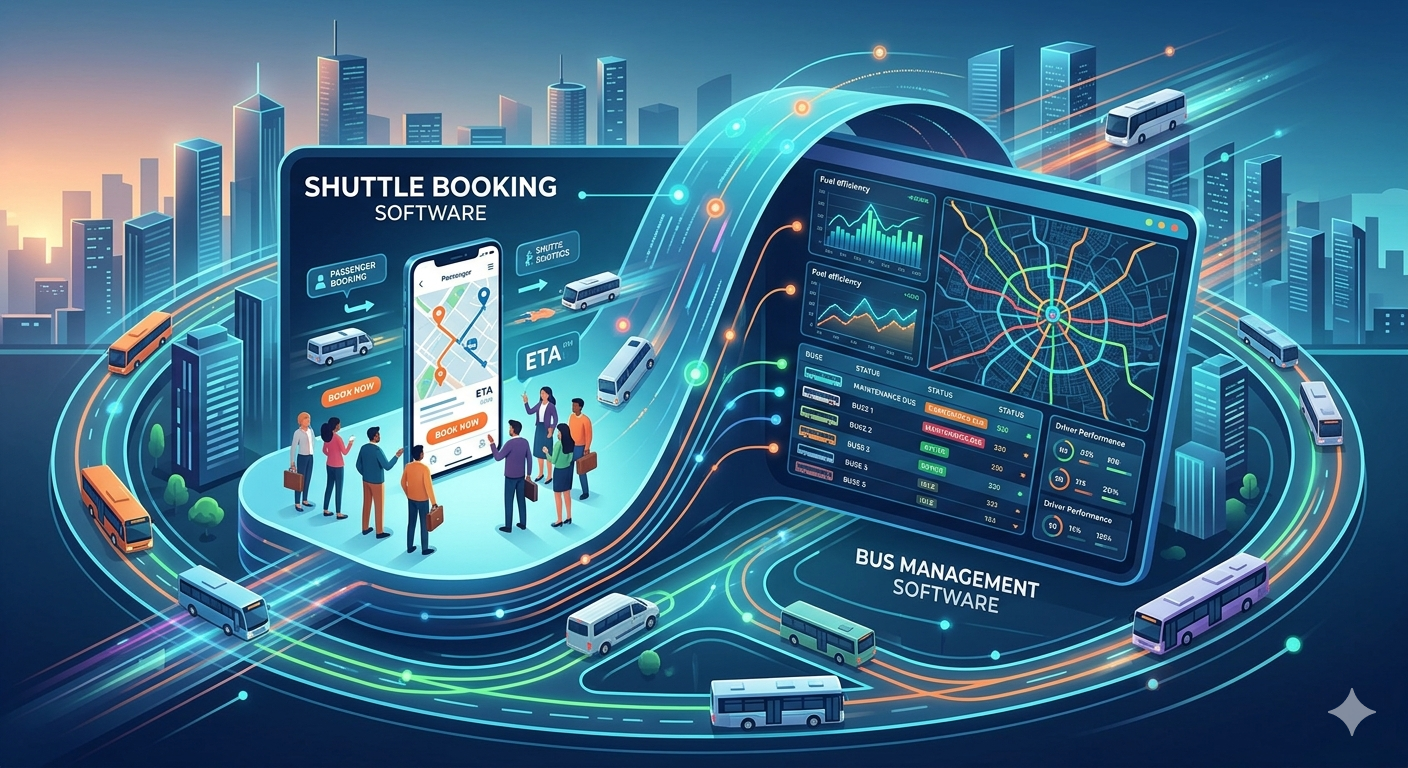
For many organizations, the primary goal is a seamless “last-mile” experience. This is where shuttle booking software comes into play. It isn’t just about reserving a seat; it’s about providing a modern interface for passengers and a data-rich dashboard for administrators.
- Real-Time Tracking: Passengers can see exactly where their ride is, reducing “wait-time anxiety.”
- Demand Forecasting: By analyzing booking patterns, managers can adjust shuttle frequency during peak hours, saving fuel and labor costs.
- User Convenience: Mobile apps allow for instant booking and digital boarding passes, making the process frictionless.
The Backbone of Operations: Bus Management Software
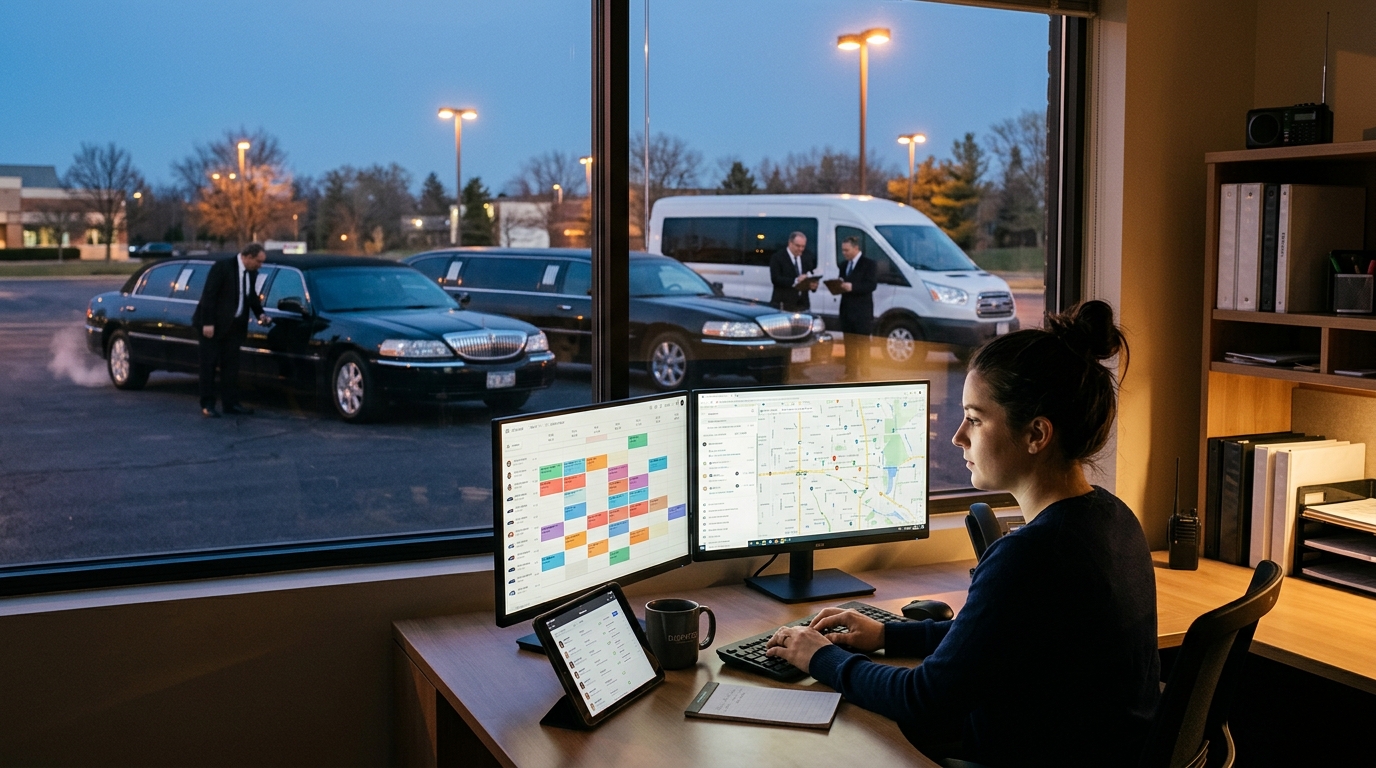
While the booking side handles the passenger experience, the backend requires a different set of muscles. Comprehensive bus management software acts as the central nervous system for your fleet. It moves beyond the individual trip to look at the health and legality of the entire operation.
- Preventative Maintenance: Automate alerts for oil changes, brake inspections, and tire rotations based on mileage or engine hours.
- Compliance & Safety: Digital storage for driver certifications and vehicle inspection reports ensures you are always audit-ready.
- Route Optimization: Advanced algorithms help dispatchers create the most efficient paths, avoiding traffic bottlenecks and reducing the carbon footprint of the fleet.
Choosing the Right Path
Integrating these two types of software allows for a “closed-loop” system. When your shuttle booking software communicates directly with your bus management software, you gain a 360-degree view of your business. You can see how high-demand booking periods impact vehicle wear and tear, allowing for smarter financial planning and better service.
In an era where every minute and every gallon of fuel counts, upgrading your tech stack isn’t just a luxury—it’s a necessity for survival.